Updated August 2026. You do not need a complicated split, an expensive gym membership, or a perfect routine to become stronger. A useful beginner plan trains the major movement patterns, fits your schedule, and progresses gradually enough that you can repeat it week after week.
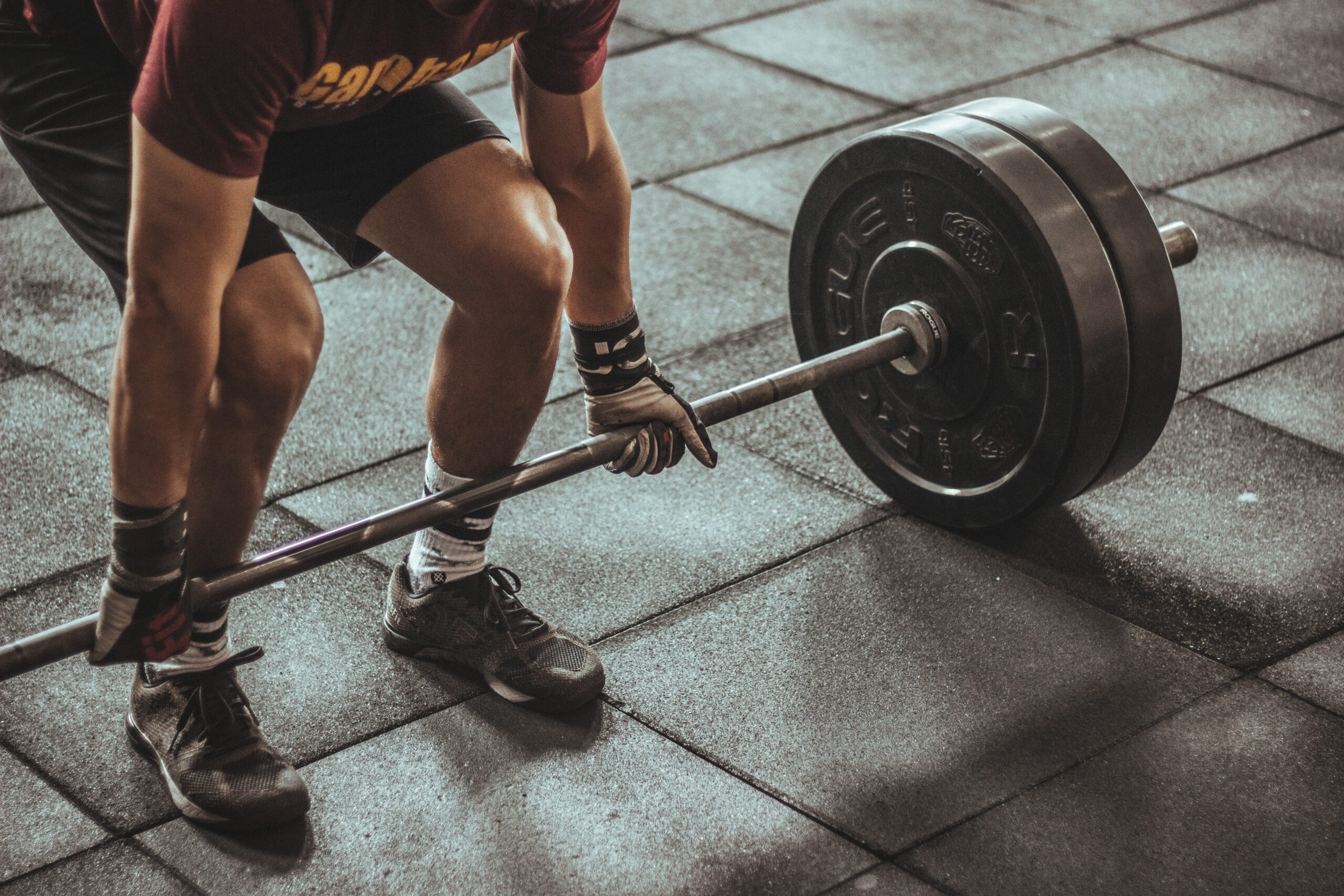
This guide explains how to start strength training safely, build a simple two-day routine, choose equipment, and make progress without chasing soreness or extreme workouts.
What current guidance says
The CDC recommends that adults include muscle-strengthening activity on at least two days each week, alongside aerobic activity. The activities should involve all major muscle groups.
The American College of Sports Medicine’s 2026 resistance-training position stand reviewed 137 systematic reviews representing more than 30,000 participants. The central message is reassuring: the largest improvement comes from moving from no resistance training to consistent resistance training. Equipment type and program complexity were not consistently decisive.
A practical two-day beginner program
Train on nonconsecutive days when possible—for example, Monday and Thursday. Begin each session with five to ten minutes of easy movement and a few lighter practice repetitions of the first exercises.
Workout A
- Squat pattern: goblet squat or chair squat — 2 sets of 8–12 repetitions
- Horizontal push: incline push-up or dumbbell floor press — 2 sets of 8–12
- Horizontal pull: one-arm dumbbell row or resistance-band row — 2 sets of 8–12 per side
- Hip hinge: dumbbell Romanian deadlift — 2 sets of 8–12
- Core: dead bug or front plank — 2 controlled sets
Workout B
- Single-leg pattern: supported split squat or step-up — 2 sets of 8–12 per side
- Vertical push: seated dumbbell overhead press — 2 sets of 8–12
- Vertical pull: band pulldown or assisted pulldown — 2 sets of 8–12
- Glutes: glute bridge or hip thrust — 2 sets of 10–15
- Carry: suitcase carry — 2 short walks per side
These are examples, not mandatory exercises. Choose variations that match your current ability and available equipment. Our bodyweight-exercise guide offers equipment-free alternatives, while the sustainable home-workout guide can help you make the schedule realistic.
How hard should each set feel?
Use a resistance that lets you complete each repetition with controlled technique while feeling that you could still perform roughly two or three good repetitions at the end of the set. Beginners do not need to train to failure. Stop the set if your technique changes sharply, you feel sudden pain, or you cannot control the weight.
Rest long enough to repeat the exercise with good form. For many beginners, 60–120 seconds works well; demanding compound exercises may require more.
How to progress without guessing
- Keep the exercise stable: practice the same basic movements for several weeks.
- Add repetitions first: if the target is 8–12, gradually work toward 12 clean repetitions.
- Then add a small amount of resistance: return to the lower end of the repetition range and build again.
- Record the work: note the exercise, resistance, repetitions, and anything that affected performance.
Progress is not perfectly linear. Sleep, stress, illness, nutrition, and schedule changes affect performance. A single difficult session is not evidence that the plan has failed. For recovery context, see the impact of sleep on physical and mental health.
Useful home-training equipment
Bodyweight training is enough to begin. If you want more exercise options, the following categories can be useful. Compare dimensions, resistance ranges, warranties, and verified buyer feedback before purchasing.
Useful when you want several resistance levels without storing a full rack.
Portable resistance for rows, pulldowns, assistance work, and warm-ups.
A practical surface for floor presses, core work, mobility, and cooldowns.
Amazon affiliate disclosure: As an Amazon Associate, BodyFitLabs earns from qualifying purchases. This does not increase your price.
Common beginner mistakes
- Changing the entire routine every week instead of practicing the fundamentals
- Adding weight before the current movement is controlled
- Copying an advanced lifter’s volume or exercise selection
- Treating soreness as the main measure of workout quality
- Ignoring recovery, especially sleep and total weekly workload
- Using exercise to work through sharp or worsening pain
When to get professional guidance
Moderate physical activity is safe for most people, but individual needs differ. If you have a chronic condition, recent injury, significant joint symptoms, unexplained dizziness or chest discomfort, or you have been advised to limit activity, ask a qualified healthcare professional what type and amount of exercise is appropriate. A credentialed trainer or physical therapist can also help adapt movements to your abilities.
Your first four weeks
For the first month, prioritize attendance and technique. Complete two sessions each week, keep the exercise list short, and record your repetitions. At the end of four weeks, review which movements felt sustainable and where you can add a repetition or a small amount of resistance.
Strength training works because manageable sessions accumulate. The best beginner program is not the most impressive one—it is the one you can perform correctly, recover from, and continue.
Sources
- American College of Sports Medicine Position Stand: Resistance Training Prescription for Muscle Function, Hypertrophy, and Physical Performance in Healthy Adults (2026)
- CDC: Adding Physical Activity as an Adult
- U.S. Office of Disease Prevention and Health Promotion: Physical Activity Guidelines
BodyFitLabs provides educational information and is not a substitute for individualized medical advice.